Choose for the problem and the goal
Sports medicine care is relevant to an athlete with an acute injury, a runner with gradual pain and someone whose job repeatedly loads a joint. Start by describing what hurts, how it began and what you need your body to do. You do not need a competitive record to ask for help getting active again.
If you are searching for the “best” physician, turn that broad question into useful criteria: experience with the affected body area, an explanation you understand and access to the follow-up or rehabilitation your situation requires.
Sources: NIH NIAMS: Sports Injuries
Look for a diagnosis that explains the story
A useful first visit combines the injury history, examination and tests chosen to answer a clinical question. Ask whether the diagnosis is clear, what else is being considered and what imaging would change. More scans do not automatically make the explanation better.
Bring previous images, reports and therapy instructions. Describe training changes, equipment, work demands and any prior injury. Tell the clinician which movement produces the familiar problem and whether the main limitation is pain, weakness, stiffness or lack of stability.
Sources: NIH NIAMS: Sports Injuries—Diagnosis, Treatment and Steps to Take
Expect a fair discussion of nonsurgical and surgical care
Many sports injuries can be managed without an operation. Some structural injuries need a surgical discussion. The physician should explain why the proposed option fits the diagnosis and your needs, and what could happen if you take a different path.
Ask how success will be measured. A treatment that reduces pain briefly is different from one intended to restore stability or repair tissue. If an injection, device or procedure is proposed, ask about evidence for your particular condition, uncertainty, risks and costs.
Sources: NIH NIAMS: Sports Injuries—Diagnosis, Treatment and Steps to Take
Bring the activity details that change rehabilitation
“Back to exercise” might mean a comfortable walk, a tennis match or competing through a full soccer season. Describe the actual movements, level of participation and schedule. The Bern consensus treats return as a progression rather than a single final clearance, which can make these goals easier to discuss.
Ask how the plan moves from basic daily function to training and then performance. Discuss confidence as well as physical capacity. If you are worried about another injury or feel pressure from a team or employer, say so early.
Find out how the team stays connected
Ask who directs rehabilitation, who adjusts activity restrictions and who reassesses you if improvement stalls. If the physician and therapist work in different settings, confirm how they share findings. The person coordinating your next step should be clear.
Practical access matters too: appointment timing, insurance coverage, travel, exercise space and the ability to contact the office. Bring the constraints you are actually living with. A plan should be challenging enough to serve your goals and realistic enough that you can follow it.
Explore our sports medicine physicians
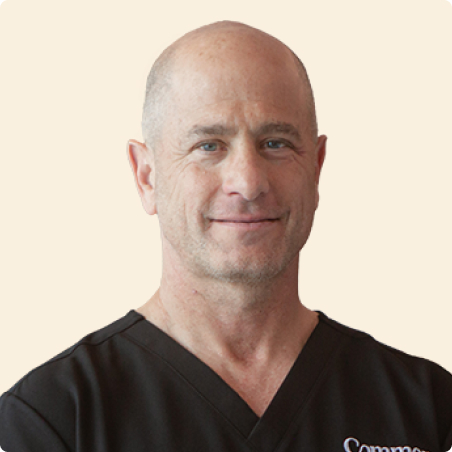
Our team includes Dr. Allyson Estess, Dr. Eric Millstein, Dr. Prem Ramkumar and Dr. Christopher Combs, whose practices include sports medicine and arthroscopic care. Their individual profiles describe their body-area focus and procedures. Read the patient experiences below for a sense of communication and support, then use a consultation to decide who fits your injury and priorities.
Look for a scope of care that fits more than the sore joint
AMSSM describes sports medicine as care for active people of different ages and abilities, including medical concerns as well as musculoskeletal injury. Its scope document specifically concerns physicians with accredited sports medicine fellowship training. Use that context to ask about the clinician’s training and the problems they regularly manage.
Bring up fatigue, recurrent injuries, changes in training tolerance or medical conditions that affect exercise, even if they seem separate from the current injury. Ask which concerns can be evaluated in the visit and which need another clinician. An appropriate referral can be part of thoughtful sports care.
Ask how the team will move information with you
HSS describes a sports medicine model involving physicians, surgeons, therapists and researchers. The practical lesson for a consultation is to ask how different professionals will share a plan, especially when you already have a therapist, athletic trainer or coach.
At our clinic, you can bring the program you are currently following and the goals you have set with that team. Ask who will explain restrictions, receive progress reports and make decisions when symptoms change. If a surgical opinion becomes relevant, clarify how the next clinician will receive the examination findings, images and treatment history rather than starting without that context.
Sources: Sports Medicine Institute
Make the most of your visit
Questions to bring to your consultation
Choose the questions that matter most to you. Bring them along, and ask us to explain anything that is unclear.
- Do you regularly treat this body area and injury pattern?
- What findings support the diagnosis, and what remains uncertain?
- Would imaging change the treatment decision?
- What can rehabilitation achieve, and when will we reassess?
- What is the purpose and evidence for any injection or procedure?
- How will we define return to training, sport and performance?
- Who coordinates the physician, therapist and other team members?
- How do I get help if symptoms change or the plan is not working?
- How does your training and scope fit the medical concerns that affect my exercise?
- Who will coordinate the plan with my existing therapist or athletic trainer?
- If I need a surgical opinion, how will my history and progress be transferred?
Sources & further reading
- NIH NIAMS: Sports Injuries
- NIH NIAMS: Sports Injuries—Diagnosis, Treatment and Steps to Take
- Bern Consensus Statement on Return to Sport
- Sports Medicine Physician Scope of PracticeAmerican Medical Society for Sports Medicine
- Sports Medicine InstituteHospital for Special Surgery
We use these medical sources to help explain your options and prepare you for a conversation with our team. Our guides feature our own clinicians; patient reviews describe individual experiences.