Start with the problem replacement would solve
Shoulder replacement may be discussed when arthritis or another major joint problem causes persistent pain and loss of function despite suitable nonsurgical care. Ask the clinician to explain whether the main issue is the joint surface, rotator cuff, bone loss or a combination.
Describe sleep, reaching, dressing and work separately. Someone hoping to sleep comfortably has a different priority from someone trying to resume overhead labor. The consultation should establish the benefit that matters to you before comparing implant designs.
Understand the difference between anatomic and reverse
An anatomic replacement recreates the usual ball-and-socket arrangement and depends on a functioning rotator cuff. A reverse replacement changes that arrangement and uses the deltoid differently to move the arm. Cuff condition is important, but the full decision can also involve bone, arthritis, previous surgery and other factors.
Ask why the proposed design is suitable for your shoulder. If both are possible, ask which tradeoff is most relevant to you. “Reverse” does not by itself explain either a better result or an easier recovery.
Sources: AAOS/ASES OrthoInfo: Reverse Total Shoulder Replacement
Ask how the surgeon plans for your anatomy
Bring prior operation reports and images, especially if the shoulder has been fractured, dislocated or previously repaired. Ask whether CT or other imaging is needed to understand the socket and bone available for the implant.
If extra planning tools, patient-specific guides or navigation are proposed, ask what they help the surgeon do and what remains uncertain. Clarify whether unusual anatomy or poor bone changes the risks, implant choices or recovery. You should be able to understand the plan without becoming an implant expert.
Be specific about expected function
Discuss pain relief, lifting the arm, rotation and reaching behind the back as separate outcomes. Ask which movements may remain limited and what long-term activity advice would apply to the proposed replacement. Bring examples from your work, exercise and home life.
Ask about dislocation, infection, nerve injury, fracture and later loosening or revision in your circumstances. If a previous operation did not help enough, ask how that history affects the recommendation. A useful discussion includes both the hoped-for improvement and reasons that recovery may be less predictable.
Sources: AAOS/ASES OrthoInfo: Reverse Total Shoulder Replacement
Prepare for daily life with a protected arm
Before scheduling, discuss the sling, sleeping arrangements, dressing, bathing and transport. Ask whether you can use the arm for a walker or to push up from a chair. These details are especially important if another joint also limits your mobility.
Ask when therapy starts, what motion is permitted, how strengthening progresses and who changes the restrictions. Arrange the support you will need and confirm how the surgical team will coordinate with your primary physician. Leave with separate expectations for basic independence, work and recreation, along with the plan for questions between visits.
Meet our shoulder replacement specialist
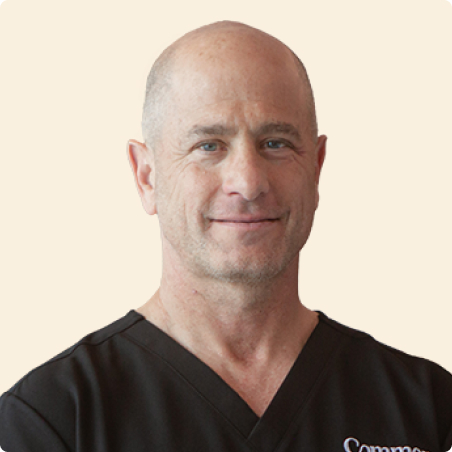
Our team includes Dr. Eric Millstein, whose clinical focus includes total shoulder replacement, reverse shoulder replacement and arthroscopic shoulder care. His provider page offers more about his practice. The reviews below can help you learn how patients experienced communication and support; your consultation should explain why a particular replacement fits your own shoulder and goals.
Check that the guideline fits the cause of your arthritis
The AAOS glenohumeral osteoarthritis guideline is explicitly about osteoarthritis; it does not cover every cause of shoulder arthritis, such as cuff tear arthropathy or inflammatory disease. Ask which diagnosis your team is treating and which evidence is relevant to that diagnosis.
This distinction can clarify why two patients with painful shoulders receive different implant recommendations. Ask the surgeon to show you the joint wear and explain the condition of the rotator cuff and bone. If another disease contributed to the damage, ask whether other specialists need to be involved before the operation is scheduled.
Ask which muscles and bone will support the replacement
HSS explains that reverse replacement changes the joint mechanics so the deltoid can help move an arm with a deficient rotator cuff. It also describes bone quality and overall health as part of candidacy. The question is how the implant will work in your shoulder, rather than which design sounds newer.
Ask why an anatomic or reverse implant fits your cuff, socket and activity goals. Discuss the movements you expect to regain and those that may remain limited. If you use your arms to rise from a chair or manage a walking aid, bring that up when discussing restrictions and home support.
Sources: Reverse Shoulder Replacement
Make the most of your visit
Questions to bring to your consultation
Choose the questions that matter most to you. Bring them along, and ask us to explain anything that is unclear.
- Which structures are responsible for my pain and weakness?
- Why do you recommend an anatomic or reverse replacement?
- How does my rotator cuff affect the choice?
- Do prior surgery or socket bone loss change the plan?
- Which movements are likely to improve, and which may remain limited?
- What personal risks should we address before surgery?
- Can I use the arm for a walker or to rise from a chair?
- How will protection, therapy and return to work be organized?
- What type of arthritis do I have, and does this guideline apply to it?
- Which muscles and bone will provide stability for the recommended implant?
- How will I manage transfers or a walking aid while the shoulder is protected?
Sources & further reading
- AAOS/ASES OrthoInfo: Shoulder Joint Replacement
- AAOS/ASES OrthoInfo: Reverse Total Shoulder Replacement
- Management of Glenohumeral Joint OsteoarthritisAmerican Academy of Orthopaedic Surgeons · Published March 23, 2020
- Reverse Shoulder ReplacementHospital for Special Surgery · Updated November 12, 2025
We use these medical sources to help explain your options and prepare you for a conversation with our team. Our guides feature our own clinicians; patient reviews describe individual experiences.