Understand the kind of curve being discussed
Adult scoliosis may reflect a curve that began earlier in life or changes that develop with aging. A curve may coexist with spinal narrowing, degeneration, or imbalance. Ask which findings are present and which appear relevant to your symptoms.
Describe the problem that brought you in: leg pain, fatigue while standing, difficulty staying upright, a change in posture, or concern about progression. The same measurement can matter differently to people with different symptoms and goals. Your assessment should explain the relationship between the curve, overall alignment, nerve symptoms, and the activities you want to maintain.
Sources: Scoliosis Research Society: Conditions of the Aging Spine
Bring the whole standing and walking story
Tell the clinician how long you can stand or walk, what makes you stop, and whether a support or change in posture helps. Explain what has changed over months or years, including falls, height loss, or the need to rest during ordinary tasks.
Bring previous X-rays and reports if available so change can be assessed rather than guessed. Ask whether standing images or other studies would answer an important planning question. The aim is to understand both the curve and how your body manages it during life outside the examination room, not only while lying still for a scan.
Give nonsurgical care an achievable goal
Ask which problems can reasonably be managed without an operation. A plan may focus on symptoms, strength, endurance, or strategies for daily tasks rather than promising to straighten an adult spine. Clarify the goal of each recommendation and how improvement will be judged.
Discuss what you can manage in practice. A long home program may need adapting to fatigue, work, transport, or another condition. Ask when to return if the plan is not helping. A reasonable trial of care should include a way to learn from the response, rather than becoming an indefinite instruction to keep doing the same thing.
Understand what would justify surgery
The Scoliosis Research Society describes adult surgical decisions in relation to disabling symptoms, imbalance, function, and the response to nonsurgical care. Surgery may involve decompression, stabilization, and correction in different combinations. The extent can vary substantially.
Ask what each proposed step is meant to accomplish and why that amount of treatment is needed. If a more limited operation could address a specific nerve symptom, ask how it compares with broader correction. If the surgeon recommends a larger plan, ask what additional benefit is expected and what additional risks and recovery demands it brings.
Sources: Scoliosis Research Society: Surgery—adult scoliosis treatment
Discuss preparation and recovery early
Ask how bone health, other illnesses, previous operations, and physical capacity affect planning. If a substantial operation is proposed, discuss the expected care setting, help at home, rehabilitation, and the possibility of a staged approach where relevant.
Bring the routines you want to return to into the discussion: dressing, driving, walking outdoors, caregiving, or working. Ask what flexibility or movement may change after the proposed fusion levels and how that could affect those tasks. Obtain an individualized risk discussion and consider another opinion if it would help you understand the extent or alternatives before deciding.
Explore deformity expertise on our spine team
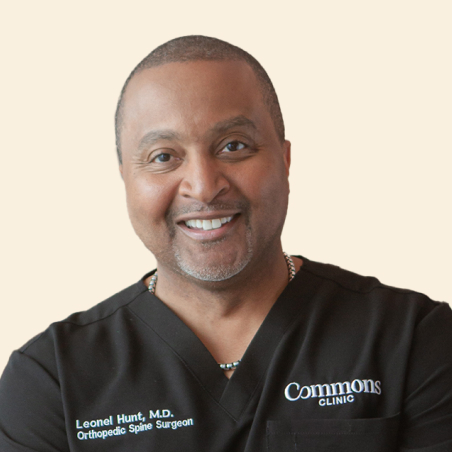
Dr. Leonel Hunt focuses on adult and pediatric spinal deformity, and Dr. Sanjay Khurana lists scoliosis and alignment restoration among his clinical interests. Their profiles can help you prepare for a consultation about a curve, imbalance, or a recommendation already made elsewhere.
Bring your priorities and any previous treatment plans. Ask the surgeon to explain the problem in a way that connects your images to daily life. A useful next step may be monitoring, a focused nonsurgical plan, or a fuller surgical discussion. What matters is that you understand why that step fits your particular situation and when it should be reassessed.
Talk about balance as well as curve size
HSS’s adult scoliosis overview discusses symptoms, physical examination, and imaging alongside nonsurgical and surgical options. Ask how the curve affects your ability to stand, walk, and remain comfortably upright, rather than focusing on the angle alone. Tell us about fatigue, leg symptoms, and the activities you shorten or avoid. If an operation is being considered, ask which part of the proposed correction addresses your main limitation. A useful comparison separates relief of nerve symptoms, improvement in balance, and correction of the curve.
Sources: Scoliosis in Adults
Compare the burden of a larger correction carefully
Johns Hopkins explains that many people with spinal deformity do not need surgery; worsening curves, neurological symptoms, or substantial pain may prompt a surgical discussion. Ask why a correction is appropriate now and what less extensive care could reasonably achieve. Discuss how overall health affects your ability to tolerate the proposed operation and recovery. If more than one surgical stage or a long fusion is proposed, ask why. We want your questions to cover the benefit you hope for and the practical support you would need afterward.
Sources: Spinal Deformity Center
Make the most of your visit
Questions to bring to your consultation
Choose the questions that matter most to you. Bring them along, and ask us to explain anything that is unclear.
- What type of adult scoliosis do I have, and what appears to cause my symptoms?
- Is balance or nerve compression more important than the curve measurement?
- Do prior images show meaningful progression?
- What can nonsurgical care realistically improve?
- If surgery is proposed, what is the goal of each part?
- Could a smaller operation be reasonable, and what might it leave unaddressed?
- How do bone health and other conditions affect the risks?
- How would the proposed fusion levels affect daily movement and recovery?
- Is my main limitation related to nerve pressure, imbalance, or the curve itself?
- Why does the recommended correction need this number of levels or stages?
- What could a less extensive treatment improve, and what would it leave unresolved?
Sources & further reading
- Scoliosis Research Society: Conditions of the Aging Spine
- Scoliosis Research Society: Surgery—adult scoliosis treatment
- Scoliosis in AdultsHospital for Special Surgery · Updated October 4, 2025
- Spinal Deformity CenterJohns Hopkins Medicine
We use these medical sources to help explain your options and prepare you for a conversation with our team. Our guides feature our own clinicians; patient reviews describe individual experiences.